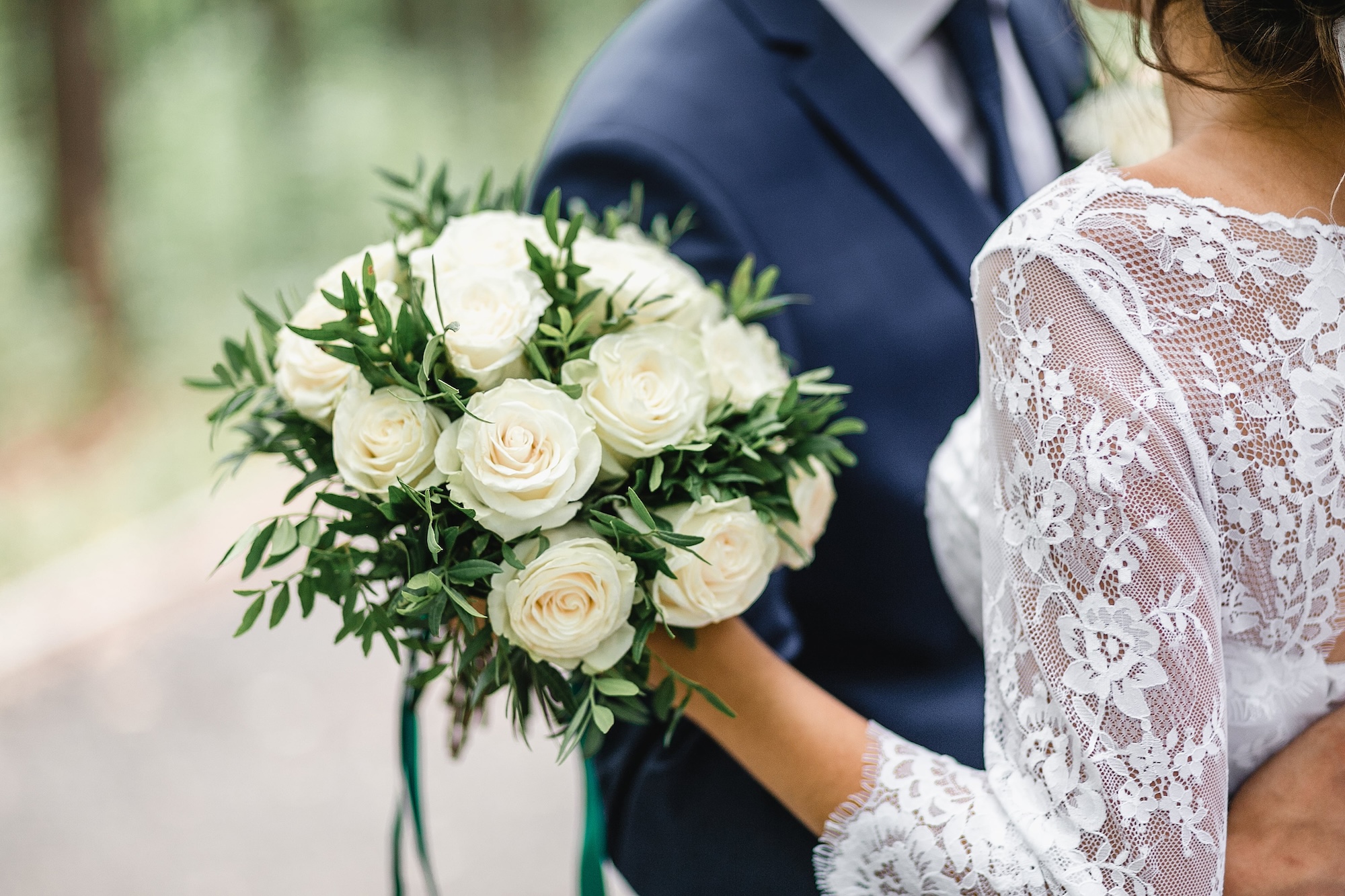
Wedding Insurance Buying Guide (UK) 2026 – What You Need to Know Before You Buy
Planning a wedding is one of the biggest financial and emotional investments you'll ever make. With the average UK wedding costing around £20,000-£25,000, even a small disruption can quickly lead to a significant financial loss.
Wedding insurance is designed to protect you if things go wrong — but not all policies are the same, and knowing what to look for is essential.
This guide explains everything you need to know before buying wedding insurance, including what it covers, what it doesn't, how much it costs, and how to choose the right level of protection.
Do You Actually Need Wedding Insurance?
In short — if you're spending money you can't easily afford to lose, then yes.
Wedding insurance is particularly important if:
- You've paid deposits to wedding suppliers
- Your venue is independently owned (higher insolvency risk)
- You're planning an overseas wedding
- Your wedding involves high upfront costs (e.g. venue, marquee, catering, entertainment)
- You would be financially impacted if the wedding had to be cancelled or postponed due to illness, death or injury to you or a close relative
- You are concerned about adverse weather or natural catastrophe
If your wedding is low-cost or highly flexible, you may decide the risk is acceptable — but for most couples, the financial exposure can be significant. For a relatively small cost, insurance provides an important layer of protection and peace of mind. It will most likely be the cheapest thing you buy for your wedding.
What Does Wedding Insurance Cover?
A comprehensive wedding insurance policy protects against a wide range of unexpected events.
Key areas of cover include:
Cancellation or postponement
- Illness or injury to the wedding couple or a close relative
- Venue financial failure
- Damage to the venue due to fire, flood, or storms
- Adverse weather preventing the event from taking place
Supplier failure
- Administration, liquidation, or bankruptcy of wedding suppliers
Public liability
- Injury to third parties
- Accidental damage to third-party property
Loss, theft or damage
- Wedding attire (including dresses and suits)
- Rings, gifts, and hired items
Additional expenses
- Rearrangement costs
- Emergency replacements
The level of cover and limits will vary between policies, so it's important to ensure your policy reflects the full cost of your wedding.
What Wedding Insurance Does NOT Cover
This is where many people get caught out.
Most policies will not cover:
- Change of mind (often referred to as "disinclination")
- Known risks at the time of purchase
- Supplier issues that were already in existence
- Lack of planning or administrative errors
- Non-extreme weather (e.g. typical seasonal rain etc)
- Contractual disputes between you and your suppliers
Understanding exclusions is just as important as understanding what is covered — and this is often where policies differ most.
How Much Does Wedding Insurance Cost?
Wedding insurance is typically priced based on the total cost of your wedding. So, the premium is directly linked to the cancellation limit you select. The higher the cancellation limit the higher the cost.
Indicative UK pricing:
- £10,000 wedding – approx. £20–£40
- £20,000 wedding – approx. £40–£80
- £30,000+ wedding – £80+ depending on cover level
Compared to the overall cost of a wedding, insurance represents a relatively small outlay — but protects a much larger financial exposure.
How to Choose the Right Level of Cover
The most common mistake is underinsuring your wedding.
When selecting your policy:
1. Cover your full wedding budget
Include:
- venue
- catering
- attire
- entertainment
- accommodation
- all supplier deposits
2. Check cancellation limits
These should reflect your total financial exposure — not just deposits.
3. Review supplier failure cover carefully
This is one of the most common claim scenarios. Pay close attention to:
- restrictions on supplier types (e.g. limited companies vs sole traders)
- exclusion periods for financial failure
- whether deposits paid before policy purchase are fully covered
4. Ensure public liability is adequate
Many venues require minimum cover levels (e.g. £2m or £5m). Personal liability is often included as standard, but guest/public liability may require an additional premium.
5. Consider optional extras
- marquee cover
- public liability upgrades
- overseas wedding cover
- honeymoon cover
- COVID cover (typically limited to illness only)
Real-Life Scenarios (Why It Matters)
To put this into context, here are typical situations where wedding insurance can make a significant difference:
- A venue goes into financial failure and closes weeks before the wedding forcing you to cancel as no alternative venue can be found at short notice.
- A supplier goes into financial failure and you lose all deposits paid have to source an alternative.
- Severe weather (e.g. snow or flooding) prevents you and/or a significant number of guests from attending the wedding.
- Wedding attire is damaged or stolen shortly before the event.
Without insurance, these costs are often unrecoverable. In the worst-case scenario, you could be forced to cancel the wedding entirely and absorb a substantial financial loss.
When Should You Buy Wedding Insurance?
The best time to buy wedding insurance is as soon as you start paying deposits — typically when you book your venue.
This ensures:
- maximum protection period
- cover from the outset
Waiting too long can leave gaps in protection. For example, if a supplier enters administration before you take out a policy, you will not be covered.
Most policies can be purchased up to 24 months in advance (and in some cases up to 30 months).
Key Things to Check Before You Buy
Before purchasing a policy, take a few minutes to review:
- Cancellation cover limits
- Supplier failure protection
- Policy exclusions
- Claims process and support
- Customer reviews and reputation
Don't simply choose the cheapest option — lower cost often means reduced protection where it matters most.
Other Protection You May Already Have
It's worth being aware that you may already have some limited protection through other means.
For example, if you pay for certain wedding services using a credit card, you may be protected under Section 75 of the Consumer Credit Act.
This means:
- If a supplier breaches their contract (for example, fails to deliver a service),
- and you paid all or part of the cost by credit card,
- you may be able to claim a refund from your card provider.
However, this protection has limitations:
- It only applies to payments made directly by credit card
- It typically covers individual transactions between £100 and £30,000
- It does not cover wider issues such as cancellation due to illness, weather, or venue closure
- It does not provide the broader protection offered by a dedicated wedding insurance policy
As a result, while Section 75 can provide useful protection in specific situations, it should not be relied upon as a substitute for wedding insurance.
Final Thoughts
Wedding insurance isn't about expecting something to go wrong — it's about protecting yourself if it does.
For most couples, the cost is small relative to the potential financial risk, and having the right cover in place provides genuine peace of mind throughout the planning process.
Ready to Get Covered?
Once you understand the level of protection you need, the next step is choosing a policy that matches your wedding plans and budget.
Frequently Asked Questions
Is wedding insurance worth it?
For most couples, yes — particularly where multiple suppliers and significant deposits are involved.
Can I buy wedding insurance last minute?
Some insurers allow this, but many require a minimum of around 30 days before the wedding. Buying late can limit cover and reduce protection.
Does wedding insurance cover COVID or similar disruptions?
This depends on the policy. Most insurers exclude large-scale disruptions such as lockdowns, but may cover illness-related claims.
Can I insure a destination wedding?
Yes — most providers offer overseas wedding cover, and some offer specialist policies tailored to destination weddings.